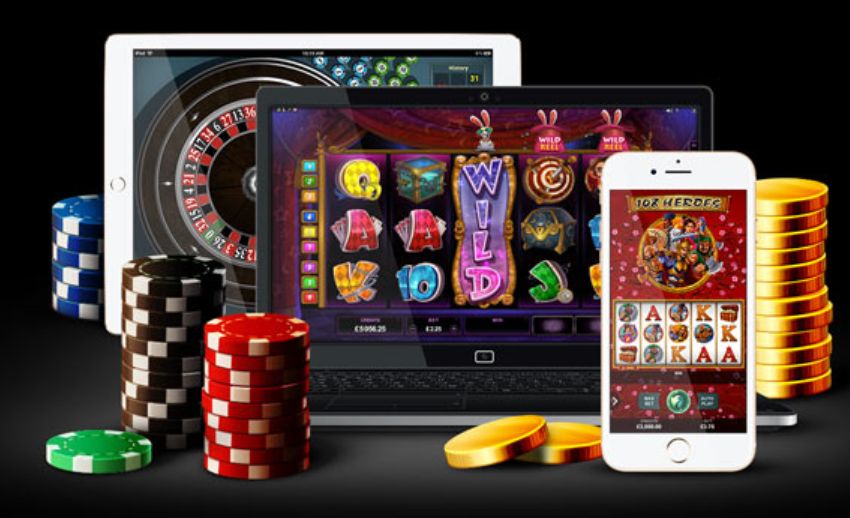
Online casino games have transformed the way people experience gambling and entertainment over the past two decades. What once required a trip to a physical casino, complete with travel time and dress codes, can now be accessed instantly from a smartphone or laptop. This shift has been driven by advances in internet connectivity, secure payment systems, and increasingly sophisticated software that replicates the excitement of a real casino floor. Players can now enjoy slots, poker, blackjack, roulette, and countless other games without ever leaving their homes. The convenience factor alone has attracted millions of new players who might never have set foot in a traditional casino. Beyond convenience, online platforms often offer a much wider variety of games than physical venues, since there are no space constraints limiting how many titles a site can host. This combination of accessibility and variety has made online casino gaming one of the fastest-growing segments of the digital entertainment industry.
Slot machines remain the most popular category of online casino games, and it is easy to understand why. They require no strategy or prior experience, making them approachable for beginners while still offering thrilling payouts for experienced players. Modern online slots come in countless themes, ranging from ancient mythology to popular movies and television shows, each designed with vibrant graphics and immersive sound effects. Many slots also feature progressive jackpots, where a small percentage of every bet placed across a network of games contributes to a growing prize pool that can reach life-changing sums. Bonus rounds, free spins, and multiplier features add extra layers of excitement and give players more ways to win without spending additional money. Developers continuously innovate with new mechanics like cascading reels and cluster pays to keep the genre feeling fresh. Because of their simplicity and variety, slots often serve as the entry point for players who later explore other casino game categories.
Table games occupy a special place in the online casino world because they combine chance with an element of skill and strategy. Blackjack, for instance, rewards players who understand basic strategy charts and can make informed decisions about when to hit, stand, split, or double down. Roulette offers a different kind of appeal, with its spinning wheel and wide range of betting options that let players choose their own balance of risk and reward. Baccarat, long associated with high-stakes gambling, has found a broader audience online thanks to lower minimum bets and simplified rule explanations built into most platforms. Poker variants, including Caribbean Stud and Three Card Poker, give players the chance to test their skills against the house rather than other players, which can feel less intimidating for newcomers. These games often attract a more dedicated player base who enjoy the strategic depth they offer. The persistence of table games in the digital era shows that many players still value skill-based elements alongside pure chance.

Live dealer games have emerged as one of the most significant innovations in online casino gaming, bridging the gap between digital convenience and the authentic atmosphere of a physical casino. These games use real dealers, real cards, and real roulette wheels, all streamed in real time to players’ devices through high-definition video feeds. Players can interact with dealers and sometimes other players through chat functions, recreating a sense of social connection that standard computer-generated games lack. The technology behind live dealer games has improved dramatically, with multiple camera angles, instant replay features, and seamless integration between the video stream and the betting interface. This format has proven especially popular for blackjack, baccarat, and roulette, where the presence of a real person adds a layer of trust and excitement. Many players report that live dealer games feel more transparent, since they can visually confirm that outcomes are not being manipulated by hidden algorithms. As streaming technology continues to advance, live dealer offerings are expected to expand into even more game types. For more information please visit aladdin 99
Mobile gaming has fundamentally reshaped how people access online casino games, with the majority of play now happening on smartphones and tablets rather than desktop computers. Casino operators have responded by designing mobile-first platforms and dedicated apps that offer the same range of games as their desktop counterparts, often with interfaces optimized for touchscreens. This shift means players can spend a few minutes playing a slot game while waiting in line or commuting, fitting gambling entertainment into small pockets of free time throughout the day. Push notifications alert players to new promotions, tournament results, or bonus opportunities, keeping them engaged even when they are not actively playing. Mobile payment integration, including digital wallets and one-touch deposit options, has also made the process of funding an account faster and more secure than ever before. The rise of 5G networks promises even smoother streaming for live dealer games and graphically intensive slots on mobile devices. As a result, mobile compatibility has become a baseline expectation rather than a bonus feature for any competitive online casino platform.
Responsible gambling practices have become an essential part of the online casino conversation as the industry has grown. Reputable platforms now include built-in tools that allow players to set deposit limits, session time reminders, and self-exclusion periods to help manage their play. Regulatory bodies in various jurisdictions require licensed operators to display information about problem gambling and provide links to support organizations for players who may need help. Age verification systems have also become more rigorous, using identity checks and payment verification to ensure that only adults can access real-money games. Some platforms incorporate reality checks that pop up periodically during long sessions, reminding players how much time and money they have spent. The presence of these safeguards reflects a broader industry recognition that sustainable growth depends on protecting vulnerable players rather than simply maximizing engagement. Players who choose to gamble online are encouraged to treat these games as entertainment rather than a source of income, setting personal limits before they begin playing.
Looking ahead, the future of online casino games appears closely tied to emerging technologies like virtual reality, blockchain, and artificial intelligence. Virtual reality casinos aim to create fully immersive environments where players can walk through digital casino floors and interact with games in three-dimensional space, offering an experience that feels closer to visiting a physical venue. Blockchain technology is being explored as a way to increase transparency, allowing players to verify that game outcomes are fair through publicly auditable records. Artificial intelligence is already being used to personalize game recommendations and detect patterns associated with problem gambling, helping operators intervene before issues escalate. Cryptocurrency payments have also gained traction, offering faster transactions and greater privacy for players who prefer digital currencies over traditional banking methods. As competition among operators intensifies, innovation will likely focus on creating more social, immersive, and secure experiences. Whatever form these advances take, the core appeal of online casino games, the blend of chance, entertainment, and the possibility of winning, is likely to remain central to their enduring popularity.