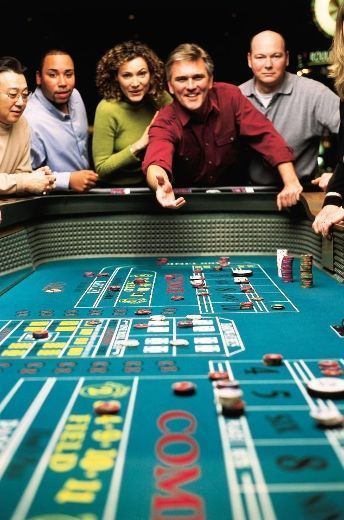
Online casino gaming has grown from a niche curiosity in the early days of the internet into one of the most widely used forms of digital entertainment today. Early websites offering virtual card games in the 1990s were slow, limited, and often plagued by trust issues, yet they planted the seed for an industry that would eventually reach hundreds of millions of players. Broadband internet, smartphone adoption, and secure online payment systems all played a role in turning that early experiment into a global phenomenon. Today’s platforms offer polished interfaces, instant deposits and withdrawals, and game libraries that can include thousands of individual titles. Players are no longer restricted by geography, operating hours, or the limited floor space of a physical building, since everything is available on demand. This accessibility has attracted a far wider demographic than traditional casinos ever reached, including younger players who grew up interacting with screens rather than physical machines. The following sections examine the major categories of games that make up this expansive and constantly evolving industry.
Among all categories, slot games attract the largest share of players due to their ease of use and sheer variety. There is no learning curve involved, since the entire mechanic revolves around pressing a button or tapping a screen to spin the reels. Game studios release new titles constantly, often built around popular themes such as ancient civilizations, fantasy worlds, holiday celebrations, or licensed entertainment brands. Bonus mechanics like free spin rounds, multiplier symbols, and interactive mini-games keep individual sessions feeling fresh even for players who have tried hundreds of different slots. Progressive jackpot networks connect wagers from multiple online casinos, allowing prize pools to grow into amounts that can change a winner’s life. Fairness in these games is maintained through certified random number generators that are independently audited on a regular basis. The combination of low barriers to entry, colorful presentation, and occasional life-changing payouts explains why slots consistently generate the largest portion of casino revenue. Their constant reinvention also ensures that the category never feels dated to returning players.
Card and table games provide a markedly different experience, drawing players who enjoy applying strategy or simply prefer the traditions of classic casino gambling. Blackjack stands out because well-established basic strategy charts allow disciplined players to minimize the house’s mathematical advantage more effectively than in almost any other casino game. Roulette remains beloved for its simplicity, offering a spinning wheel and a wide menu of betting options ranging from safe outside bets to high-risk single-number wagers. Baccarat, historically linked to exclusive high-stakes gambling rooms, has become far more accessible online thanks to lower table minimums and clearer rule explanations for newcomers. Casino-style poker variations let players compete directly against the house instead of other opponents, which appeals to those who want the feel of poker without the unpredictability of human competition. Nearly every major platform offers free or demo modes for these games, giving new players a chance to understand the rules before risking real money. The wide range of variants and side bets available online often exceeds what most physical casinos can offer on their floor space. This depth of choice keeps a loyal community of strategy-minded players engaged despite the constant marketing push behind newer slot releases.
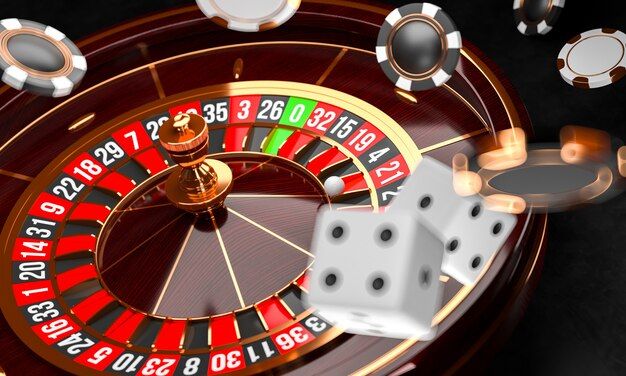
Live dealer gaming has introduced a hybrid experience that blends the convenience of online play with the authenticity of a real casino floor. Instead of relying purely on computer-generated outcomes, these games stream an actual dealer operating physical cards, chips, or a spinning roulette wheel from a dedicated studio. High-definition video and multiple camera angles allow players to watch every shuffle and spin unfold in real time, which builds a level of trust that purely digital games sometimes struggle to establish. Chat features let players greet the dealer or exchange brief messages with others at the virtual table, replicating some of the social atmosphere found in physical venues. Studios producing these broadcasts have grown increasingly sophisticated, often resembling small television production sets complete with lighting design and professional presenters. Live blackjack, baccarat, and roulette remain the most requested formats, though live game-show-style titles have also found a dedicated following in recent years. Because operating costs are higher for live-streamed content, minimum bets at these tables tend to exceed those found in automated versions of the same games. Despite the added cost, demand keeps growing among players who value the transparency and energy that a real human dealer brings to each session. For more information please visit 1ECL
Specialty games round out the online casino experience by offering formats that don’t fit neatly into the slots or table game categories. Bingo and keno provide simple, low-pressure entertainment reminiscent of lottery-style draws, appealing to players who want something more relaxed than a fast-spinning slot reel. Digital scratch cards recreate the instant gratification of physical scratch tickets in a format that takes only seconds to complete. Crash-style games, where players watch a multiplier rise and must cash out before it suddenly collapses, have become especially popular with younger audiences who enjoy their fast pace and shareability on social media and streaming platforms. Virtual sports betting generates simulated races and matches around the clock, giving fans of sports wagering something to engage with even when no real-world events are scheduled. Some operators have started blending skill-based video game mechanics with wagering systems to appeal to players raised on esports and competitive gaming culture. These alternative formats often act as an accessible entry point for people who find traditional casino games confusing or intimidating at first glance. As player preferences continue to diversify, this specialty category is likely to keep expanding with fresh and unconventional concepts.
The reliability of online casino games depends heavily on technology that most players never see directly but benefit from constantly. Random number generators used in slots and many table games are tested and certified by independent laboratories to confirm that outcomes remain statistically fair over time. Data encryption protocols, similar in strength to those protecting online banking transactions, safeguard sensitive financial and personal information from unauthorized access. Regulatory bodies operating out of jurisdictions such as Malta, Gibraltar, and the United Kingdom impose strict compliance standards that licensed operators must continually meet. Cloud infrastructure enables platforms to add new titles, patch existing games, and scale to handle traffic spikes without any noticeable disruption to the player experience. Mobile optimization has become a baseline expectation rather than an added feature, since most traffic to major platforms now comes from smartphones rather than desktop computers. Payment flexibility has also expanded considerably, with many operators now accepting cryptocurrency alongside traditional credit cards, bank transfers, and e-wallet services. Collectively, these systems form the technical backbone that allows the entire online casino industry to operate smoothly at a global scale.
As enjoyable as online casino games can be, it remains important for players to engage with them thoughtfully and with realistic expectations. Every casino game, regardless of format, is built with a mathematical house edge that favors the operator over an extended period of play. Reputable operators typically provide responsible gambling features such as deposit limits, cooling-off periods, and self-exclusion tools designed to help players stay within their intended limits. Taking the time to understand a game’s odds, payout structure, and volatility can lead to more informed choices about which titles suit a given budget or risk tolerance. Verifying that a platform holds a legitimate license and has a solid reputation among players is a simple precaution that can prevent frustrating experiences with unreliable sites. Approaching online casino games as a form of paid entertainment, comparable to streaming a movie or attending a concert, rather than as a reliable source of income tends to foster a far healthier long-term relationship with the hobby. As the industry continues to innovate with new formats and technology, maintaining this balanced mindset remains the most sustainable way to enjoy what online casino gaming has to offer.